
A Close Call: Why Poor Electrical Connections are so Dangerous
I received a call over the weekend from a business owner who had to call the fire department after noticing the smell of burning plastic.
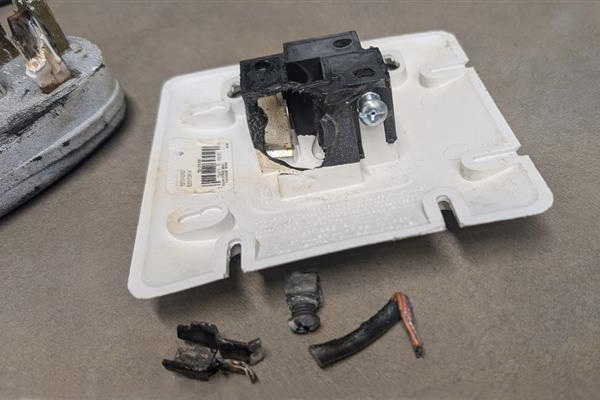
The fire department was dispatched and used heat-detecting cameras to find the source. It turned out to be a 40A range receptacle that had melted from extreme heat.
As you can see in the photos, it became so hot that it damaged the cord end of the appliance.
What Caused This?
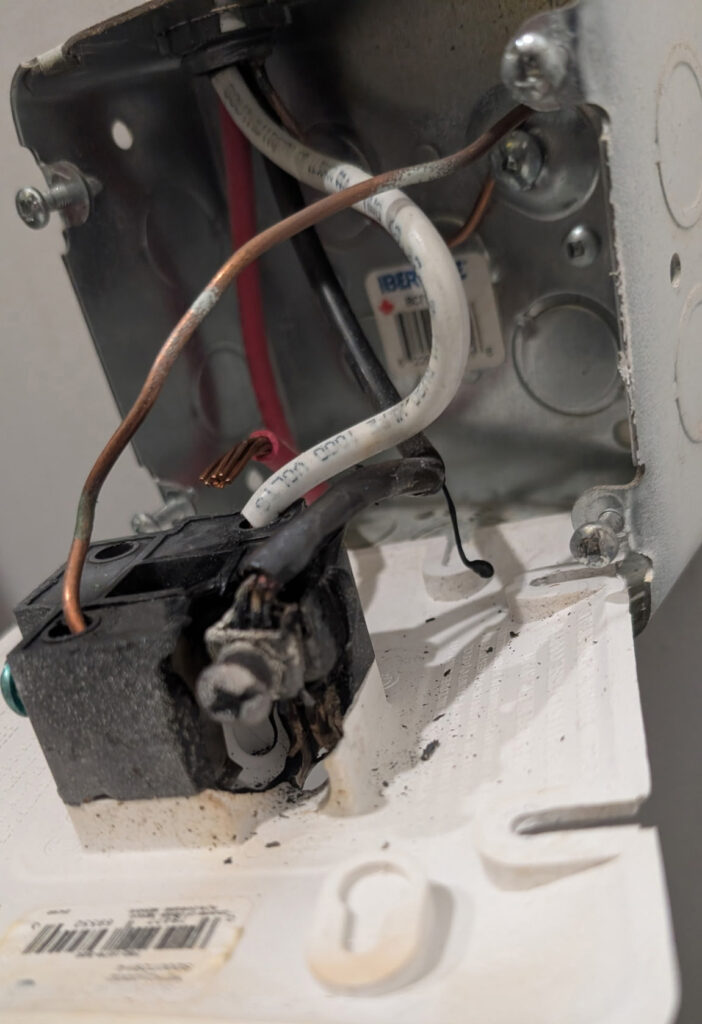
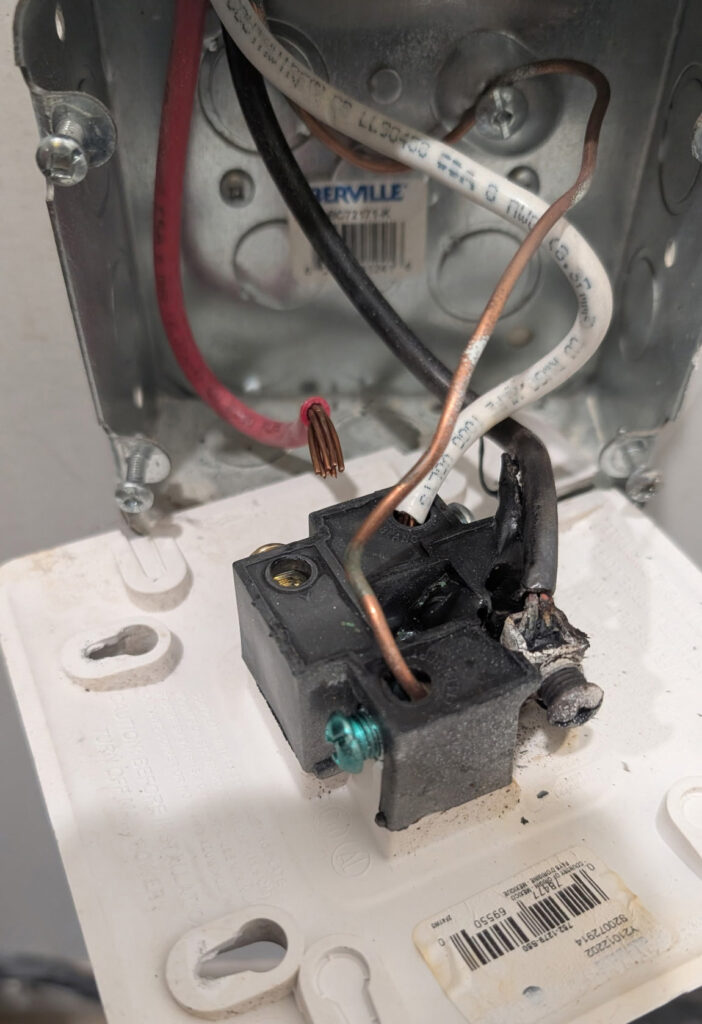
The main issue was poor connections.
If you look closely at the photos, you can see the black wire going into the burnt terminal. That connection was getting “red hot” and could have easily started a fire if it had been up against something flammable.
Thankfully, it was inside a metal box, which helped keep it contained.
When I pulled the receptacle out to take a closer look, the red wire also pulled right out of its termination. That means there was another poor connection — and potentially another burning connection.
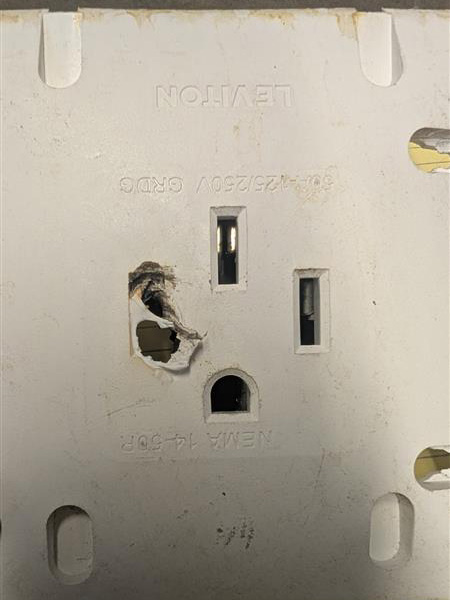
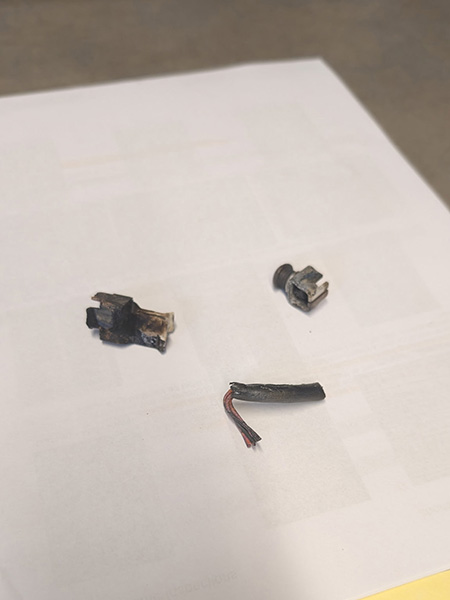
Above: A loose connection caused severe heat damage at the terminal. When the receptacle was pulled from the wall, another wire fell out of its termination point, showing there was more than one poor connection.
Why Poor Connections are so Dangerous
Some people may wonder what is worse: wrong connections or poor connections?
I would definitely say poor connections are much worse.
Wrong connections can absolutely cause damage and become costly. However, poor connections are more dangerous because they are insidious. It may not be obvious that anything is wrong or dangerous until it is too late.
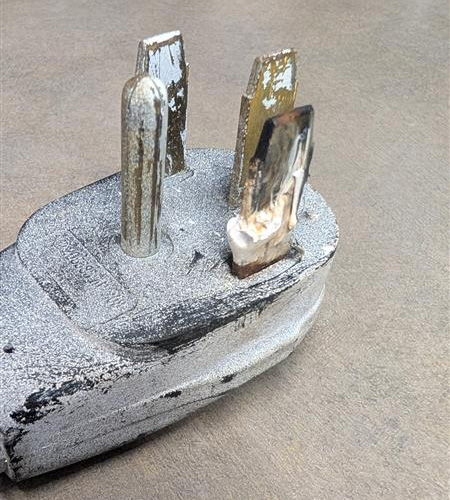
The heat from a poor connection burned through the receptacle at one terminal. The dangerous part is that everything may still appear to be working normally while the problem gets worse over time.
“What’s really bad about poor connections is that everything works. It appears fine. It seems like everything is good — but hidden dangers can reveal themselves months, or even years, later.”
A Few Words of Advice
- Insist on quality workmanship. Do not allow quick-wire methods in your home or business. Make sure your electrician properly pigtails and caps their splices. Workmanship that is neatly installed is usually a great sign that your electrician cares about what they do — and their terminations are likely done properly as well.
- Make sure permits are pulled. Permits help protect the value of your home or business and ensure the work is being completed properly.
- Make sure the work is warrantied. Most contractors will warranty their work for a year. Excellent contractors will warranty their workmanship much longer because they care about what they do, they stand behind their work, and they understand the importance of a safe installation.
Electrical work is not something to cut corners on. A poor connection may not look like much at first, but over time it can become a serious fire hazard.
~ Brad Smith - Co-owner / Operator / FSR Electrician
Concerned about the safety of your electrical connections? Contact us to book an inspection or speak with a qualified electrician.